
How to Buy Things Using Cryptocurrency: Best Must-Have Tips
In this article

How to Buy Things Using Cryptocurrency: Best Must-Have Tips
/ Why pay with crypto at all?
Crypto can move value fast, across borders, and without bank hours. It can help when cards fail, or when you want to pay a global seller. Costs and risks still exist, so smart setup makes the difference.
Think of a designer in Berlin who sells a logo to a client in Manila. A stablecoin payment lands in minutes, with clear on-chain proof. That speed and finality is the draw.
/ Prepare your wallet
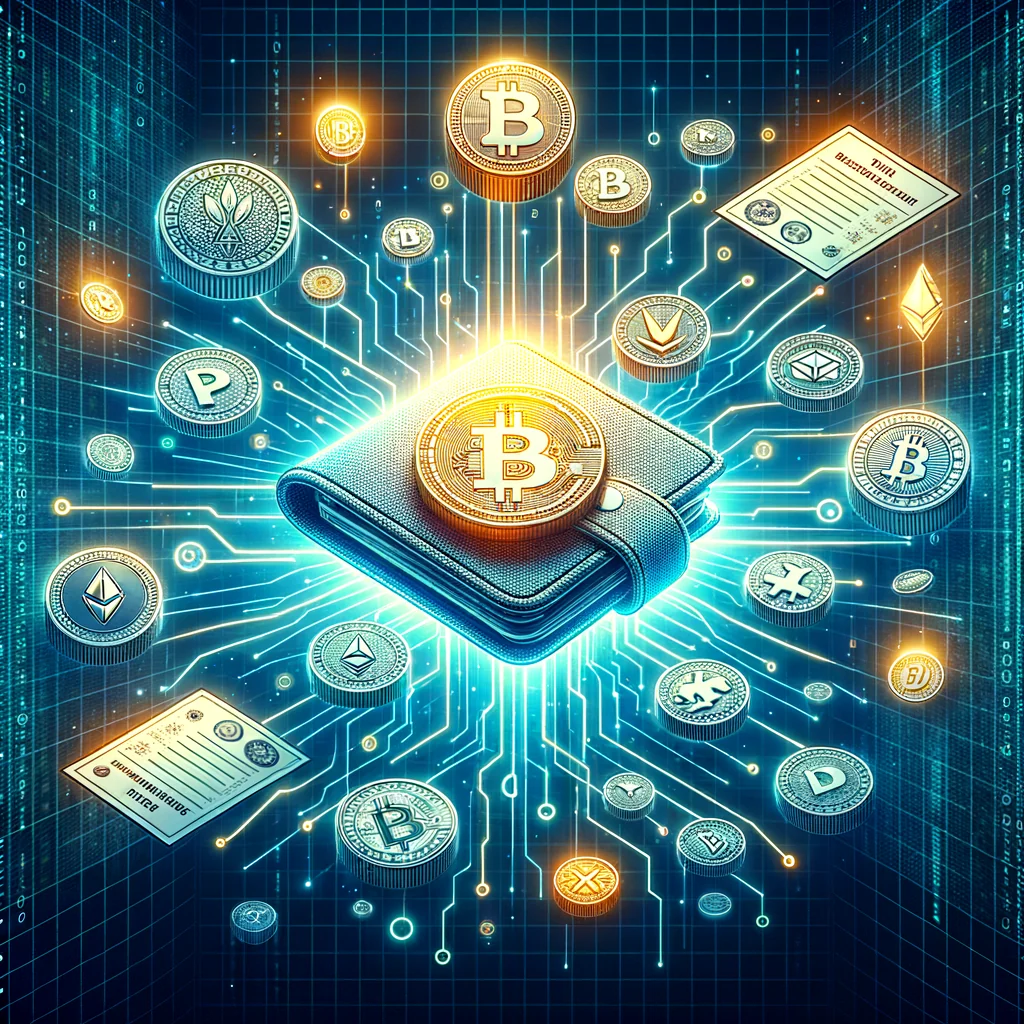
Your wallet holds keys that control your coins. Treat it like a safe and a passport combined. Pick the right type for your use case.
Use a custodial wallet if you want simple logins and easy recovery. Use a self-custody wallet if you want full control and can handle backups. Write down your seed phrase on paper. Store it offline, in two places. Never share it with anyone.
/ Pick the right coin and network
Match the coin to the payment method. Many stores accept Bitcoin, Ethereum, or a stablecoin like USDT or USDC. Fees and speed vary by network. Your choice affects cost and waiting time.
On small purchases, avoid high-fee chains. For example, a coffee on Ethereum mainnet may cost more in gas than the drink. Use Lightning for Bitcoin, or low-fee chains like Solana, Polygon, or Base when supported. Check the exact network the merchant lists. “USDC (Polygon)” is not the same as “USDC (Ethereum).” Send to the wrong network and funds can be lost.
/ Find merchants that accept crypto
More shops accept crypto than many think. You can spend directly on brand sites, in-store via QR, or through crypto cards that settle in fiat.
Look for payment badges in the footer or checkout page. Search “Pay with Bitcoin” on the site. Marketplaces and gift card hubs also help you convert crypto to store credit for brands that do not accept wallets yet.
/ How to pay online with a wallet
Online checkout flows vary a bit, but the core steps repeat. Accuracy matters, and timing does too when quotes expire.
- Select the crypto option at checkout and choose your coin and network.
- Copy the exact amount and the destination address or scan the QR with your wallet.
- Set a fee that confirms in the requested time window. Check any memo or tag if shown.
- Send once, then wait for confirmations. Keep the window open until the processor marks it paid.
- Save the transaction hash for support or refunds.
Watch for rate locks. Some processors lock the fiat-to-crypto rate for 10–20 minutes. If you send late or short, the payment can fail or need manual review.
/ How to pay in-store
In-store crypto payments feel like mobile wallet scans. The cashier shows a QR code with amount and address. You scan, review, and send.
For Bitcoin, a Lightning invoice can clear in seconds. For on-chain payments, ask the cashier how many confirmations they need. A small cafe may accept zero-confirmation for tiny orders. A jeweler will not.
/ Crypto cards and other bridges
Crypto debit cards let you spend anywhere cards are accepted. They convert your coins to local currency at the point of sale. This avoids merchant-by-merchant support and gives you a familiar card flow.
Fees and spreads apply. Some cards offer rewards in crypto. If you want a card, pick one that supports your region, has clear limits, and provides instant push notifications. Freeze the card in the app when not in use.
/ Fees, speed, and confirmation targets
Each network has its own mix of cost and speed. You can plan purchases by matching the urgency and amount to the right rail.
| Rail | Usual Fee | Typical Speed | Best For | Notes |
|---|---|---|---|---|
| Bitcoin (Lightning) | Near zero | Seconds | Small, instant buys | Needs Lightning support from merchant |
| Bitcoin (on-chain) | Varies by mempool | 10–60+ minutes | Larger items | Use adequate fee; wait for 1–3 confirmations |
| Ethereum mainnet | Higher gas | 1–5 minutes+ | High-value buys | Check gas before sending small amounts |
| ETH L2 (Arbitrum/Optimism/Base) | Low | Seconds to minutes | Everyday payments | Merchant must support the exact L2 |
| Solana | Very low | Seconds | Micro and medium buys | Confirm address format and token standard |
| Polygon/Tron for stablecoins | Low | Seconds to minutes | Stablecoin payments | Match token and chain precisely |
Always check the network the merchant lists on the payment screen. A wrong chain choice is the most common error and the hardest to fix.
/ Security and privacy basics
Good hygiene prevents most losses. Small moves stack into real protection without much effort.
- Verify the address on-screen, and on a hardware wallet if you use one.
- Send a tiny test amount for the first payment to a new merchant.
- Use unique addresses and fresh invoices to reduce tracking.
- Keep wallet apps up to date and use strong device pins.
- Use 2FA on exchanges and card apps. Prefer authenticator apps over SMS.
- Avoid clicking payment links in emails. Navigate to the site yourself.
One simple rule saves money: never rush. Scammers push urgency. Merchants do not demand that you move to a “support wallet” or “upgrade address.” If you see that, stop and ask support through official channels.
/ Refunds, disputes, and support
Crypto payments are final. That makes refunds a process, not a reversal. Legit merchants handle refunds by sending crypto back to an address you provide or by issuing store credit.
Keep your order number and transaction hash. If a package gets lost, the hash proves you paid. If a refund arrives short due to network fees or rate moves, ask for the policy in writing. Some processors pin the fiat amount and adjust the crypto amount on refund.
/ Taxes and records
Many regions treat spending crypto as a taxable event. The cost basis rules differ by country. Keep clean records to stay safe and reduce stress at filing time.
Export transaction history from your wallet, exchange, and card app. Save invoices, hashes, and rate quotes. A simple spreadsheet works if your volume is low. For frequent spenders, a tax app can match lots and compute gains.
/ Common mistakes to avoid
Most payment issues stem from a short list of avoidable errors. Use this list as a quick scan before you hit send.
- Sending to the wrong network or token standard (e.g., USDT on TRON vs ERC-20).
- Ignoring the memo/tag on networks like XRP or XLM.
- Underpaying due to missed fees or rate expiry.
- Reusing an old invoice address after it expired.
- Skipping a test send with a new merchant or wallet.
A 30-second check can save hours of support chats and, in most cases, your funds.
/ Practical micro-scenarios
Two quick snapshots show how smart choices cut cost and friction. Use them as patterns for your own buys.
Buying a $12 game key: choose USDC on Polygon if supported, or Bitcoin Lightning. Fees stay under a few cents. The code arrives before your coffee cools. Keep the invoice email and the hash in your notes.
Paying a $900 laptop: pick on-chain Bitcoin with a proper fee or USDC on an L2 the merchant supports. Wait for the requested confirmations. Screenshot the checkout page that shows the rate lock and due time.
/ Quick setup checklist
Set up once, then spend with less stress. These steps cover the essentials for smooth payments.
- Install a trusted wallet and back up the seed phrase offline.
- Fund small balances on two fast networks you plan to use.
- Bookmark merchant sites and payment processors you trust.
- Note required memos/tags for assets that need them.
- Create a simple record system for hashes, invoices, and receipts.
After this setup, each new payment becomes a repeatable routine. You reduce mistakes, and you keep proof at hand.
/ Final pointers for smooth spending
Match coin and network, confirm the amount, and send within the rate window. Keep fees in mind on busy chains. Save the hash and invoice every time.
With these habits, buying with crypto feels straightforward. You pay, you get what you ordered, and your records stay clean.